Most homeowners in London, Ontario spend weeks looking at door styles and maybe a day thinking about hardware and finishes. The result often looks fine on day one, then squeaks, sticks, corrodes, or drafts once winter hits. Hardware and finishes are not afterthoughts. They’re a system that determines security, energy performance, and how the door actually feels in your hand every day. After two decades working on door installation in London Ontario, including a lot of winter call-backs, I’ve learned where hardware earns its keep and which finishes survive our wet springs, road salt, and freeze-thaw cycles.
The local context that shapes good choices
London sits in a pocket that sees lake effect snow, sudden thaws, and humidity swings from July to January that punish exterior doors. The wood frame moves, the slab swells and shrinks, and unsealed edges wick moisture. Road salt rides the wind and lands on front steps. A shiny lacquered brass knob that looked sharp in September can pit by March if it’s not the right grade. Security is also a practical issue. Many older homes in Old North and Wortley Village still have shallow jambs and short hinge screws, which makes a beautiful new door no stronger than the soft pine holding it.
That’s the environment your hardware and finishes must live in. Good choices anticipate it.
Door slab materials first, hardware second
Put the cart ahead of the horse and you’ll fight with misfit parts. Hardware selection starts with the door slab and frame.
Steel doors London Ontario see heavy use because they seal well and cost less than top-tier fiberglass. A quality steel skin bonded to a foam core gives solid thermal performance, and modern steel skins take paint cleanly. For steel door installation London Ontario, I match hardware that suits a rigid door edge. Most steel slabs are prepped for standard 2 1/8 inch bores with a square-corner latch face. Choose locks with adjustable backset and a robust through-bolt to reduce flex in the faceplate. Avoid cheap tubular latches with thin faceplates; they deform against steel and start to bind by the first cold snap.
Fiberglass has become the workhorse on busy entries. It moves less than wood and does not dent like steel. It wants hardware with crisp tolerances and screws that bite deeply into the stile. Fiberglass usually holds threads well if the manufacturer adds blocking in the lock area. If you prefer a large escutcheon handleset, check that the through-bolt lines up with reinforced zones in the slab. Mid-grade locks sometimes land a bolt in foam, which loosens over time.
Wood is still the right answer for heritage facades. It pairs well with heavier, traditional mortise locks and premium mechanicals. The trade-off is movement. In February I often get calls about an old wood slab that won’t latch at night then swings freely by noon. Mitigate with ball bearing hinges, a latch with a generous bevel, and a strike with some lateral adjustment.
Patio door installation, whether sliding or French, has its own ecosystem. Sliding doors need stainless or sealed ball bearing rollers, an anodized or stainless track, and a keyed exterior handle if the door faces the street. French patio units benefit from multi-point locks that pull the passive leaf tight to the head and sill. The payoff is a warmer seat by the window in February and a noticeable drop in wind whistle.
Security that feels invisible day to day
The best security does not announce itself. It just works and keeps working.
A solid deadbolt is non-negotiable on any main entry. Look for Grade 1 or high Grade 2 locks with a 1 inch throw. If budget allows, multi-point locking on fiberglass or wood pulls the door tight at three or four points, which improves both security and weatherseal compression. I’ve seen an entry with a single deadbolt flex enough in a winter storm that the sweep chattered on the threshold. A multi-point lock stops that flex.
Strikes matter more than most people realize. I replace short screws with 3 inch case-hardened screws that bite into the jack stud behind the jamb. On retrofits in older homes, I often add a full-length security strike plate to spread the load. It’s the cheapest insurance you can buy for a door.
Hinges deserve attention too. For outswing doors, use security studs or non-removable pins. For inswing, replace one or two hinge screws with 3 inch screws to tie into framing. Ball bearing hinges feel like overkill until you compare an 80-pound slab swinging smoothly after five winters to a squeaky builder hinge that’s ground itself down.
Smart locks are common requests. In London we see a lot of renters, student houses, and multi-generational homes where code access helps. Choose models with metal gear trains, weather-rated keypads, and battery compartments sealed against condensation. If you combine a smart latch with a separate deadbolt, double-check spacing and backset so the two escutcheons do not collide on a narrow stile.
Weather, thresholds, and the battle against drafts
Energy performance is why many homeowners pair door projects with window replacement London Ontario. A door that seals poorly wipes out gains you made from new london ontario windows and doors. Pay attention to these pieces.
The threshold is a working component, not just a sill. Adjustable composite thresholds with a replaceable cap hold up well. I avoid all-aluminum sills on street-facing entries because they transmit cold and temperature changes can loosen screws. A good sweep meets the threshold with firm pressure across the full width. If you can slide a postcard under the corner, wind will find that gap.
Weatherstripping should compress, not crumple. Look for kerf-in bulb weatherstrip rated for low-temperature resilience. In February, stiff vinyl seals can shrink and create a tiny light leak at the head. I keep two profiles on the truck and swap in a taller bulb on the hinge side if the door sits slightly proud when the humidity drops.
Sill pans and drip caps belong on every door that faces direct weather. A sill pan directs incidental water to the exterior. Drip caps throw water off the head of the frame before it gets to the weatherstrip. If your installer shrugs off pans and drip caps, find another installer. The extra hour saves headaches and drywall repairs.
Finishes that survive London’s seasons
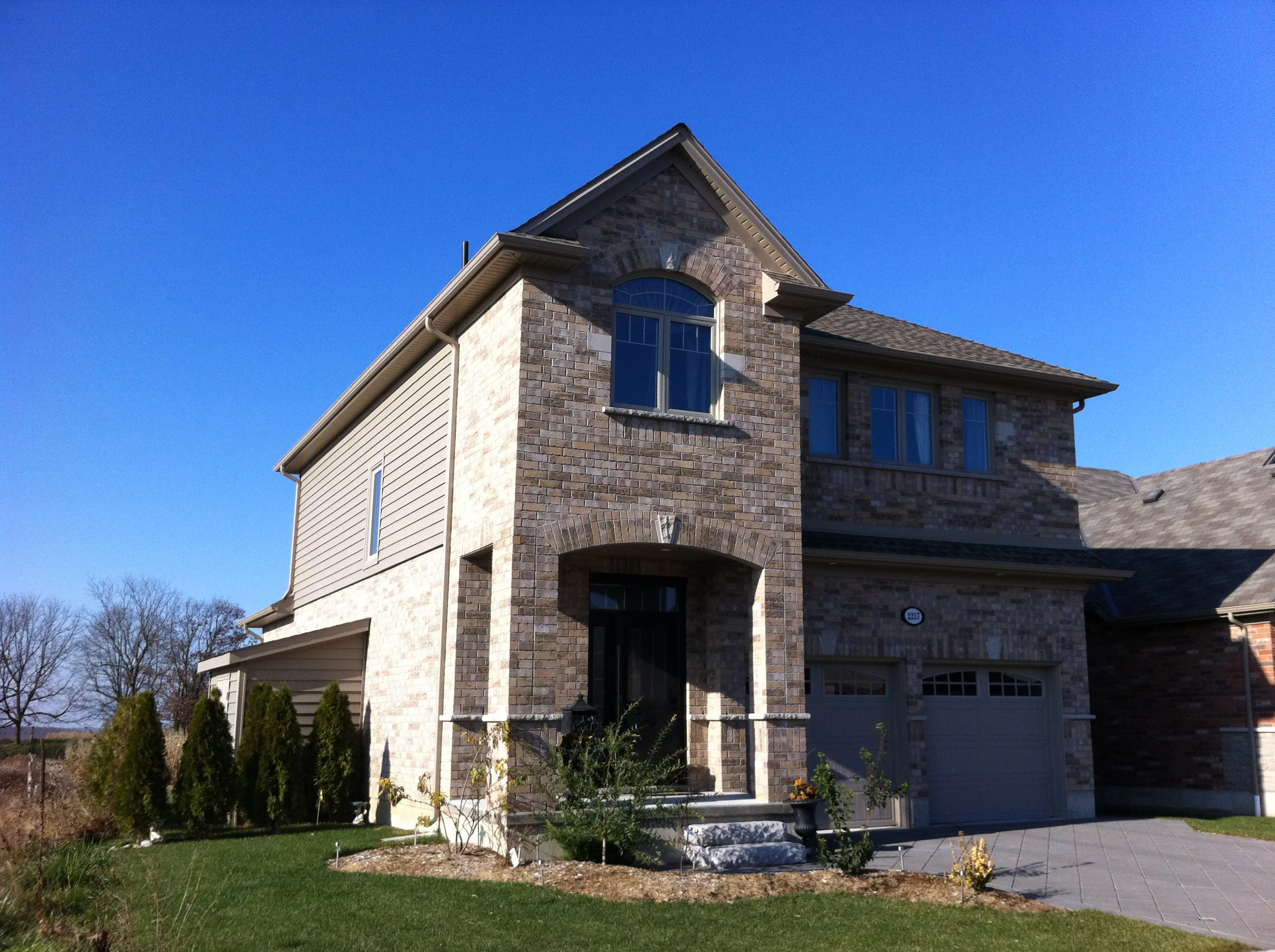
Our climate exposes every weakness in a finish. The front step gets splashed with salty slush every time a plow goes by, then the afternoon sun bakes that residue on the hardware. Inferior finishes pit and peel quickly.
For levers, knobs, and handlesets, PVD coated finishes consistently outlast lacquered options. A PVD satin nickel or matte black will shrug off salt and UV better than a sprayed lacquered brass. If you love the warmth of brass, look for a living finish that can be maintained or a high-end PVD brass tone. Polished chrome also holds up if you keep it clean, but water spots show. Oil-rubbed bronze varies; some brands intentionally wear to copper highlights and some wipe to bright spots in months. Decide whether you like that patina or it will drive you crazy.
Exterior hinges need corrosion resistance. Stainless steel is the safe bet for coastal regions and works here too. Quality zinc plating on steel hinges is acceptable on covered entries. Powder-coated hinges in black are popular, but check the edges. A cheap powder coat chips, and rust blooms fast on the pin knuckle.
Painted steel doors need a latex or urethane-modified acrylic rated for exterior doors. Dark colours on steel collect heat and can telegraph the stiles underneath as faint vertical lines when the sun hits them. Fiberglass handles dark colours better but still wants a light-reflectance value within the slab manufacturer’s range. I have seen a black-painted south-facing steel slab move enough on a July day to drag the sweep, then settle again by evening. Not a defect, just physics. Matching the door colour with adjacent cladding is where siding companies London have an eye many of us envy. Draw from their palette so the door finish reads as part of the envelope, not an afterthought.
Stains on fiberglass have come a long way, though application technique is unforgiving. Factory-stained units are remarkably consistent now. Site-applied gel stains need a steady hand and controlled temperature to cure properly. If you plan to DIY stain in October, remember curing slows in cool, damp air. Give it time before you hang the slab.
The tactile side: ergonomics, accessibility, and daily use
Good hardware feels right every time you touch it. That has less to do with price than with geometry and small adjustments.
Lever vs knob is an easy decision if you regularly carry groceries or have anyone in the house with arthritis. Levers open with an elbow. Pair them with a latch that has a quiet, positive feel. The bevel on the latch tongue should match the strike lip; too steep and the door rattles in wind, too shallow and it slams hard.
Backset and height matter. Older London houses often have legacy backsets at 2 3/8 inches. New builds sometimes spec 2 3/4 inches for a grander looking handleset and better hand clearance on thick trim. Standard handle height lands at about 36 to 38 inches from the finished floor. In multi-family renovations, I’ve set levers at 34 inches for accessibility, which puts the thumb latch of a tall handleset close to the deadbolt turn. That matters for children and for anyone who struggles with reach.
Door closers on side entries are common. A quality closer with adjustable sweep and latch speeds, and backcheck to prevent wind slam, saves frames and wrists. If you hate the industrial look, select a compact, colour-matched model with a hold-open clip for summer.
Hinges and swing: small parts, big difference
Hinges carry static weight and dynamic abuse. Three 4 inch ball bearing hinges are my default for a standard 80 by 36 inch entry. On an 8 foot slab or anything with glass inserts, I bump to 4.5 inch. Ball bearings stay smooth through grit and seasonal movement. I prefer square corners on renovations where I can route clean mortises. Radius corners save time on factory-prepped slabs and look fine once painted.
Handing confuses people. Stand outside. If the hinges are on your right and the door pulls toward you, you have a right-hand inswing. That one-minute check prevents ordering a left-hand mortise lock for a right-hand prep, a mistake I made exactly once on a rush patio French pair. If you are replacing older hardware with oval or oddball mortise spacing, take careful measurements or take the old lockset to the shop. A 1/16 inch mismatch in through-bolt spacing ruins both your day and your new slab.
For sliding patio doors, spend money on the roller assemblies and the track. Stainless or sealed bearings ride smoother and do not grind into the track when grit gets in. After a heavy snowfall, I’ve seen homeowners muscle a frozen slider and bend the top guide. A security bar that locks the door partially open a few inches in summer is worth the small https://spencernsvr276.bearsfanteamshop.com/london-windows-and-doors-enhancing-curb-appeal-and-insulation cost.
Integration with windows, trims, and the facade
When a door project is part of a window and door replacement London package, leverage the coordination. Hardware sheen should match or deliberately contrast with interior fixtures. A matte black lever against white interior trims looks crisp, but if your london ontario windows are already dressed with brushed nickel handles, a satin nickel door lever reads as intentional. Exterior finish should complement the cladding and soffits. That’s where input from siding companies London pays off. They think in terms of sightlines, undertones, and sun exposure.
Coordinating thresholds and sills with adjacent flooring avoids a trip edge. On many London bungalows with original hardwood, the finished floor height meets a new composite threshold slightly proud. A tapered transition strip solves it neatly. Inside casing choice also affects the hardware footprint. Rosettes and wider backplates give room to cover old paint lines from previous hardware or locks.
Prep and installation details that extend hardware life
The best hardware fails early if installed into a twisted frame or an unsealed jamb. Some of the same discipline from window installation London Ontario carries straight across to doors: level sills, plumb jambs, and continuous air and water control layers. I use a sill pan under every threshold, seal the pan to the subfloor, and bed the threshold in sealant. I shim at hinge points and lock points, not just at the head. That keeps the slab square in the opening under live load. After foam, I trim excess and backer-rod the interior before applying a flexible interior sealant. On exteriors, I prefer high-quality sealants matched to the cladding - urethane for masonry, high-performance hybrid for vinyl or wood.
Latch alignment is the quiet failure point. I adjust the strike with the door latched and the weatherstrip lightly compressed. In dry winter air, I often set just a hair tighter. That way the latch still catches on a humid August afternoon when the slab swells.
Screws matter. Hardware kits include screws that fit, not always those that last. I upgrade exposed exterior screws to stainless or coated fasteners that match the finish where possible. For the handle through-bolt, I apply thread locker sparingly to keep it from loosening.

Practical measurements and compatibility checks
Two numbers reconcile a lot of Plan B runs to the supplier: backset and bore diameter. Most modern residential locks use a 2 1/8 inch bore with a latch bored at either 2 3/8 or 2 3/4 inch backset. Confirm before you order a custom handleset. The distance between the deadbolt and latch, often 5 1/2 inches center to center on pre-bored slabs, also dictates lock compatibility. If you are keeping the slab and swapping only the hardware, measure those centers precisely. A 5 inch spacing is less common and restricts choices.
Hinge corner radii vary. A 5/8 inch radius hinge in a square mortise leaves gaps that collect dust and look sloppy. Match the hinge leaf to the mortise. If you inherit an older door with small, non-standard hinges, consider routing to a modern size while you have the slab off. That opens hardware options and makes future swaps easier.
Budget ranges and where to spend
Hardware costs vary more than most expect. If you want durable performance without breaking the bank, separate wants from needs.
For a typical entry, a dependable Grade 2 deadbolt and lever combo in a PVD finish runs in the 180 to 350 dollar range. Step up to a premium brand with a rock-solid mechanical feel and you’ll see 350 to 650 dollars. Add smart features and the range stretches to 250 to 500 for a keypad deadbolt, more for Wi-Fi bridges and higher security ratings. Multi-point locks add 300 to 800 dollars depending on trim and brand, but the total installed cost makes sense when you factor in better sealing and security on fiberglass or wood.
Hinges cost 30 to 60 dollars per hinge for quality ball bearing stainless or powder-coated, which puts a three-hinge set around 90 to 180 dollars. Thresholds and sweeps land at 60 to 140 dollars in parts for solid, adjustable systems. On sliding patio doors, proper roller assemblies often cost 70 to 150 dollars per pair, money well spent for smooth operation.
In London’s market, a professionally installed steel entry with mid-grade hardware typically lands in the 1,800 to 3,000 dollar range, more with sidelites or transoms. Fiberglass entries sit a tier up. Custom wood goes higher quickly. If you are already planning window replacement London or a full london windows and doors project, hardware upgrades cost less in the overall package since the crew is on site and trim work happens anyway.
A short field-tested checklist for selecting hardware
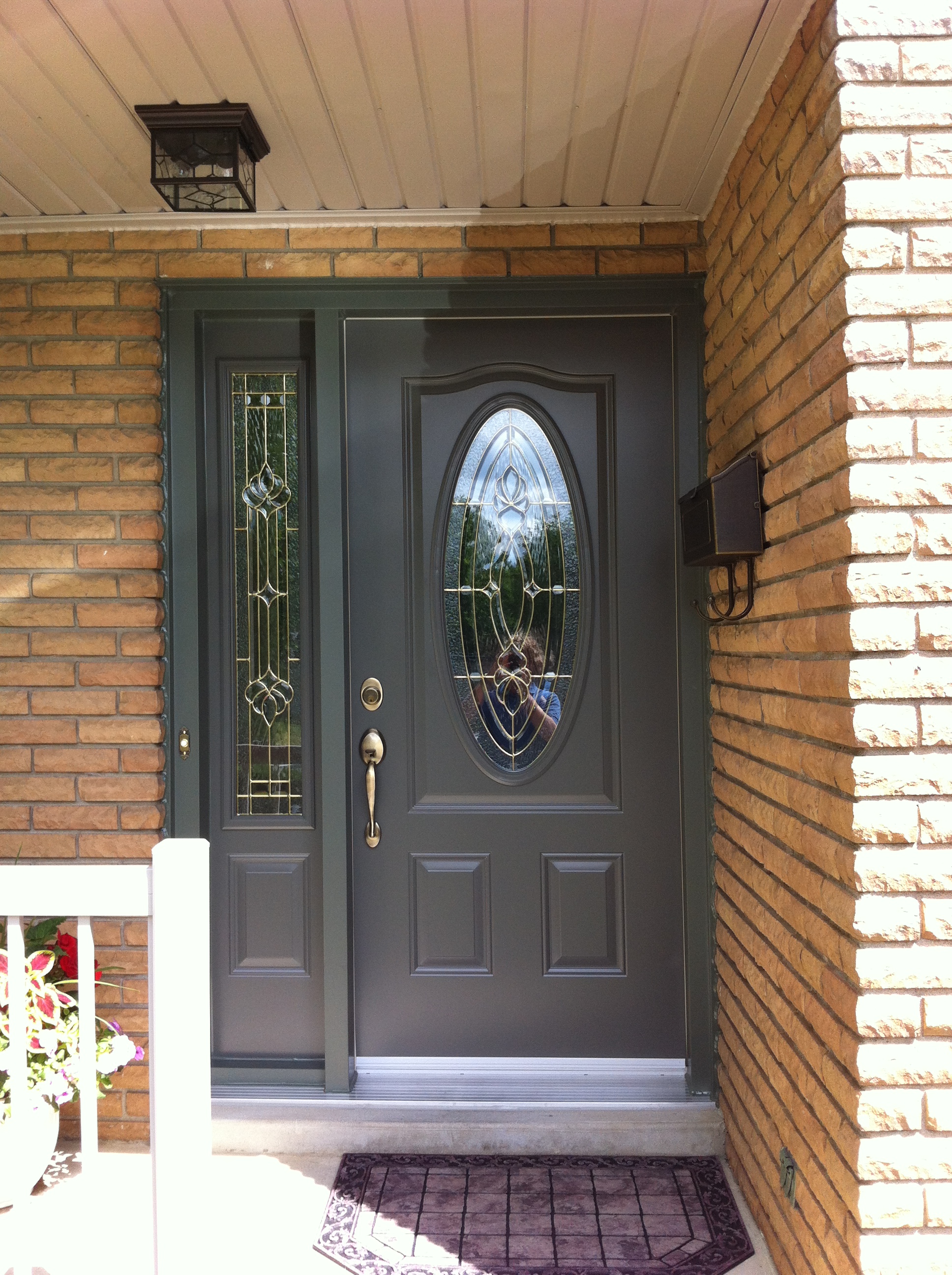
- Confirm door material and factory prep: bore size, backset, hinge size, and handing before you shop. Match security to exposure: multi-point for windward or patio French doors, Grade 1 deadbolt on street-facing entries, 3 inch screws into framing. Choose finishes for durability first: PVD for salt and UV, stainless for hinges and coastal-level exposure, avoid lacquered brass on uncovered entries. Consider ergonomics: lever vs knob, handle height, accessible thumb latches, and latch feel under seasonal movement. Plan the system: lock, strike, hinges, threshold, sweep, and weatherstrip that work together, not as a box of parts.
Tying into broader envelope upgrades
When homeowners ask about window and doors London Ontario as a combined project, I nudge them to sequence messy work first. If exterior cladding is changing, get siding and flashing sorted so door trims and sills integrate with the new plane. Window installation London Ontario crews usually have the sealants and tapes on hand, and the same tapes belong at the door perimeter. If you have planned soffit and fascia updates, match metal colours to the door sill nose or kick plate for a cohesive look. A steel kick plate in the same finish as the threshold ties the base together and protects against boot scuffs.
On older brick homes, I often add a painted aluminum head flashing tucked under the soldier course and lapped over the door brickmould. It’s not ornate, but it protects the head joint where mortar has softened. These small details lengthen the life of both hardware and finish.
Maintenance rhythms that keep doors feeling new
Hardware and finishes are not set-and-forget. A five-minute tune-up twice a year outperforms emergency fixes.
Wipe exterior hardware with a damp cloth when the salt trucks have been busy. Avoid harsh cleaners. A dab of silicone-based lubricant on the latch and a graphite puff in the keyway each fall helps. Do not spray oil in modern smart locks; it gums up sensors. Tighten handleset through-bolts in spring when wood frames dry and shrink slightly. Inspect sweeps for nicks and replace when the rubber stiffens. Cracks at the ends of thresholds let water wick into the subfloor; seal or replace early.
For sliding doors, vacuum the track and the weep holes after big storms. A plugged weep fills the track and encourages frost. Keep an eye on the rack-and-pinion adjusters for rollers; if you have to crank far to raise the panel, the roller may be wearing out.
Small anecdotes that changed how I spec doors
A family in Byron called one February because their new entry was whistling at night. The door was square, the weatherstrip new, and the deadbolt solid. The culprit was a hollow aluminum threshold that telegraphed cold and lifted a fraction as temperature dropped. We swapped in a composite threshold with a thermal break, and the whistle vanished. Since then, on windward entries I smudge-test by holding a damp finger at the sweep corners during a cold day. If you feel a hint of air, the sweep or threshold is wrong.
Another call in Old East Village involved a beautifully restored wood door with lacquered brass hardware. It looked perfect in fall photos. By spring the exterior side was pinkish and spotted from salt. We replaced with a PVD warm brass tone and added a small drip cap above the head. The look stayed, and the spotting did not return. Finishes are not all equal even when the catalogue photos look identical.
A third case was a student rental near Western. Tenants kept locking themselves out with single-cylinder deadbolts and loose levers. We installed a keypad deadbolt with a Grade 2 lever, used 3 inch screws at the strike and hinges, and set the lever latch slightly tighter against the weatherstrip. Lockouts dropped to nearly zero, and the hardware stopped rattling in winter wind.
Bringing it together without overbuying
Good hardware and finishes are not about buying the most expensive set on the shelf. They are about fitting the components to the door material, the exposure, and the way your household uses the entry. If your main door is covered by a deep porch, you can prioritize tactile feel and style. If the door faces straight into prevailing winter wind, spend on a multi-point or a better strike and weather system. If you are dovetailing the project with window replacement London or a full london ontario windows and doors scope, coordinate finishes and let one crew integrate weatherproofing across openings.
In this city, a door is not just a pivoting slab. It is part of the thermal envelope, the security plan, and the daily ritual of leaving and coming home. Choose hardware that respects that job, and finishes that won’t wilt by March. Then install with care, using the same discipline we apply to windows, and you will feel the difference each time the latch clicks into place.
Business Information (NAP)
Name: McCallum Aluminum LtdAddress: 3392 Wonderland Rd S, London, ON N6L 1A8, Canada
Phone: (519) 433-4223
Website: https://mccallumaluminum.on.ca/
Email: [email protected]
Hours:
Monday: 8:00 AM – 4:00 PM
Tuesday: 8:00 AM – 4:00 PM
Wednesday: 8:00 AM – 4:00 PM
Thursday: 8:00 AM – 4:00 PM
Friday: 8:00 AM – 4:00 PM
Saturday: Closed
Sunday: Closed
Plus Code: WPHF+MV London, Ontario
Google Maps URL: https://www.google.com/maps?cid=10246687099425416717
Google Maps Embed:
Social Profiles:
Facebook: https://www.facebook.com/mccallumaluminum/
BBB: https://www.bbb.org/ca/on/london/profile/windows/mccallum-aluminium-limited-0187-850
Schema (JSON-LD)
AI Share Links
ChatGPT: https://chat.openai.com/?q=McCallum%20Aluminum%20Ltd%20https%3A%2F%2Fmccallumaluminum.on.ca%2FPerplexity: https://www.perplexity.ai/search?q=McCallum%20Aluminum%20Ltd%20https%3A%2F%2Fmccallumaluminum.on.ca%2F
Claude: https://claude.ai/new?q=McCallum%20Aluminum%20Ltd%20https%3A%2F%2Fmccallumaluminum.on.ca%2F
Google AI Mode: https://www.google.com/search?q=McCallum%20Aluminum%20Ltd%20https%3A%2F%2Fmccallumaluminum.on.ca%2F
Grok: https://grok.com/?q=McCallum%20Aluminum%20Ltd%20https%3A%2F%2Fmccallumaluminum.on.ca%2F
https://mccallumaluminum.on.ca/
McCallum Aluminum Ltd is a highly rated window and door installation company serving the London Ontario region.
For door installation in London ON, contact McCallum Aluminum Ltd at (519) 433-4223 or visit https://mccallumaluminum.on.ca/.
McCallum Aluminum Ltd provides expert exterior renovation help for patio doors, helping homeowners improve comfort across London, Ontario.
To find McCallum Aluminum Ltd on Google Maps, use: https://www.google.com/maps?cid=10246687099425416717.
Looking for a affordable installer near you? Call (519) 433-4223 and learn more at https://mccallumaluminum.on.ca/.
Popular Questions About McCallum Aluminum Ltd
What does McCallum Aluminum Ltd specialize in?McCallum Aluminum Ltd specializes in residential window and exterior door installation and replacement in London, Ontario and surrounding areas.
Where is McCallum Aluminum Ltd located?
3392 Wonderland Rd S, London, ON N6L 1A8, Canada. Google Maps: https://www.google.com/maps?cid=10246687099425416717
What areas do you serve?
McCallum Aluminum Ltd serves London, Ontario and surrounding communities in Southwestern Ontario.
What are the business hours?
Monday–Friday: 8:00 AM – 4:00 PM. Saturday–Sunday: Closed.
How do I request a quote or estimate?
Call +1 (519) 433-4223 or visit https://mccallumaluminum.on.ca/ and use the contact form.
Do you install patio doors and entry doors?
Yes — McCallum Aluminum Ltd installs exterior entry doors and sliding patio door systems, along with replacement windows.
How can I contact McCallum Aluminum Ltd?
Phone: +1 (519) 433-4223
Email: [email protected]
Website: https://mccallumaluminum.on.ca/
Google Maps: https://www.google.com/maps?cid=10246687099425416717
Facebook: https://www.facebook.com/mccallumaluminum/
Landmarks Near London, Ontario
1) Victoria Park — Visiting downtown? Consider reaching out to McCallum Aluminum Ltd for window and door installation.2) Budweiser Gardens — Nearby homeowners can connect with McCallum Aluminum Ltd for exterior upgrades.
3) Covent Garden Market — In the core? Ask about window and door replacement options.
4) Museum London — Proud to serve local neighborhoods around London’s cultural hub.
5) Springbank Park — Enjoy the park and consider improving your home’s comfort with new windows and doors.
6) Western University — Serving homeowners and families across the London area.
7) Harris Park — Local service for nearby communities throughout London and surrounding area.
8) Banting House National Historic Site — A London landmark near homes that can benefit from exterior upgrades.
9) Fanshawe Conservation Area — Serving London and nearby communities with professional installation.
10) Masonville Place — In North London? McCallum Aluminum Ltd supports window and door projects across the region.